
-
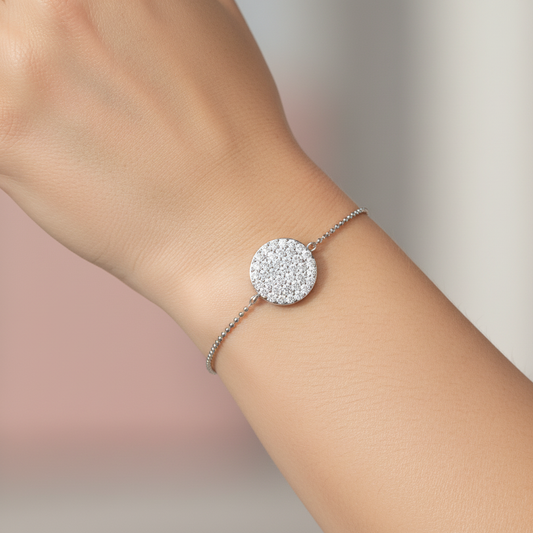
Pave Diamond Circle Disc Bracelet
Regular price From $492.13 USDRegular price Sale price From $492.13 USDSale -
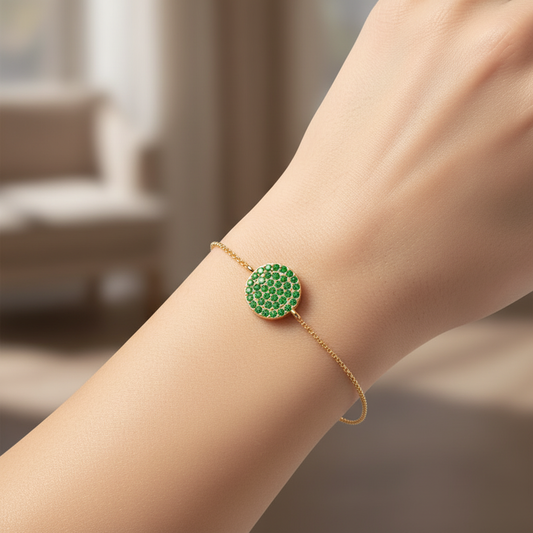
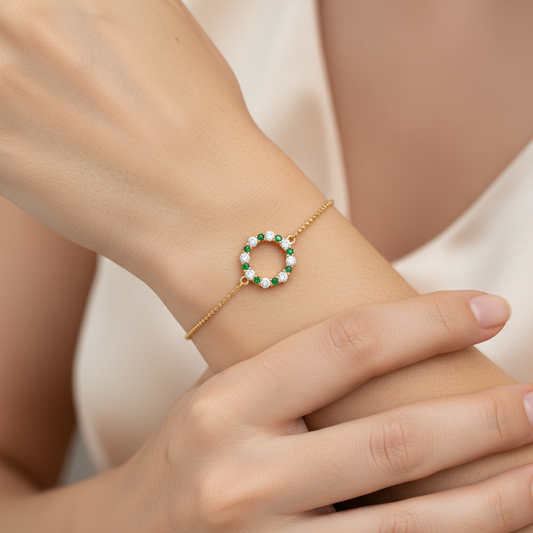
Pave Emerald Disc Chain Bracelet
Regular price $483.92 USDRegular price Sale price $483.92 USDSale -
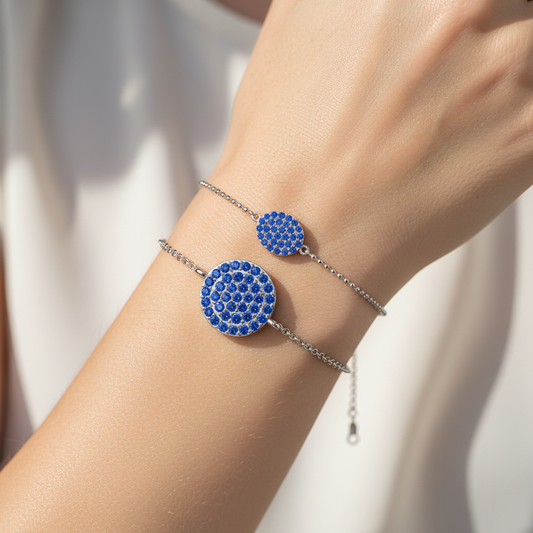
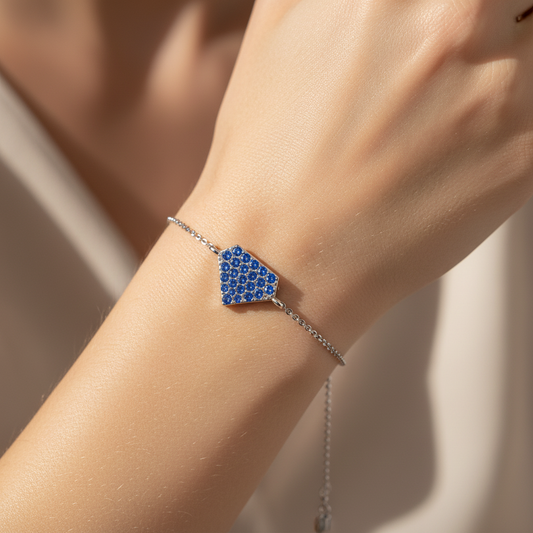
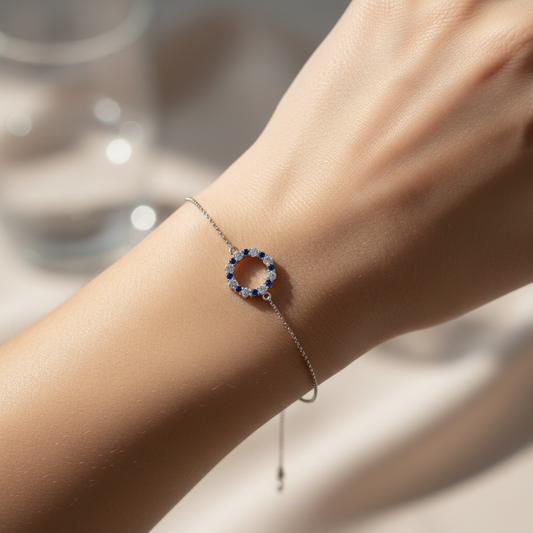
Blue Sapphire Pave Disc Chain Bracelet
Regular price $473.46 USDRegular price Sale price $473.46 USDSale -
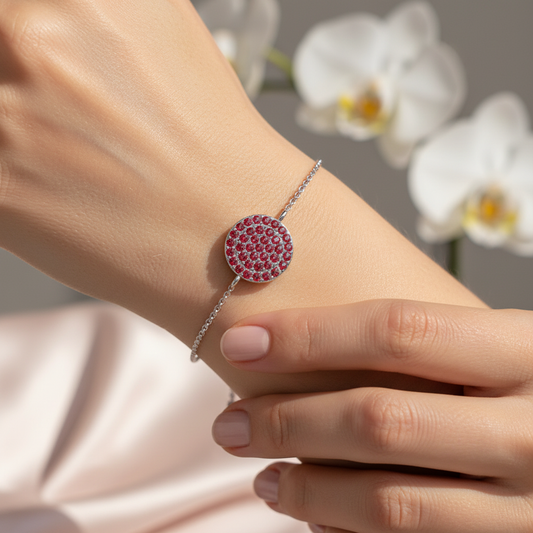
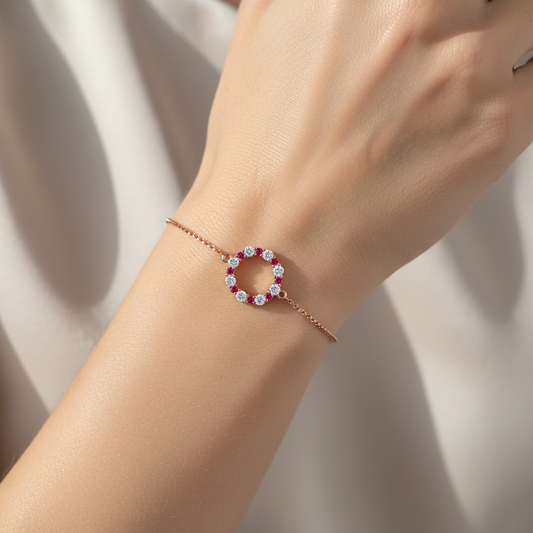
Pave Red Crystal Disc Chain Bracelet
Regular price $462.99 USDRegular price Sale price $462.99 USDSale -
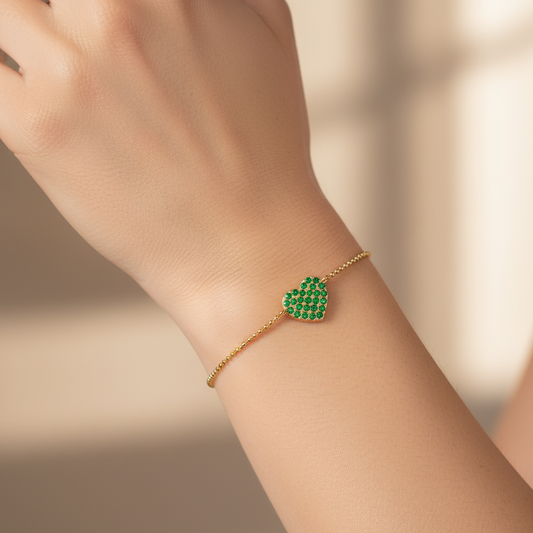
Emerald Pave Heart Bracelet with Chain Link Design
Regular price $422.85 USDRegular price Sale price $422.85 USDSale -
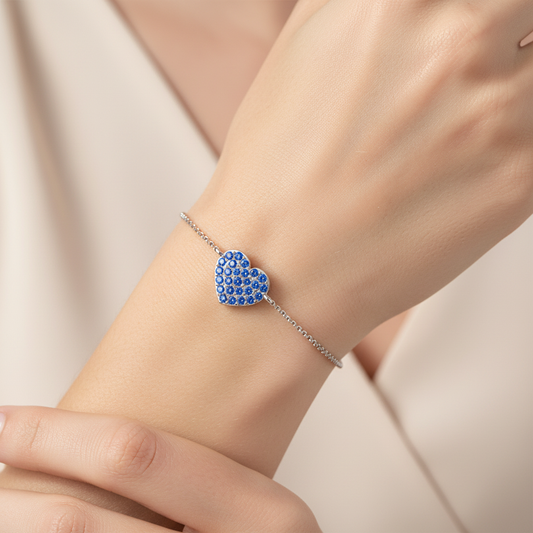
Blue Sapphire Pave Heart Bracelet
Regular price $412.38 USDRegular price Sale price $412.38 USDSale -
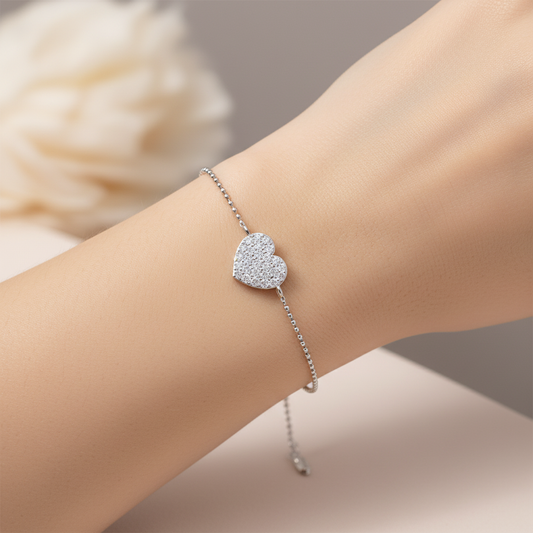
Pave Heart Pendant Bracelet with Chain
Regular price From $410.97 USDRegular price Sale price From $410.97 USDSale -
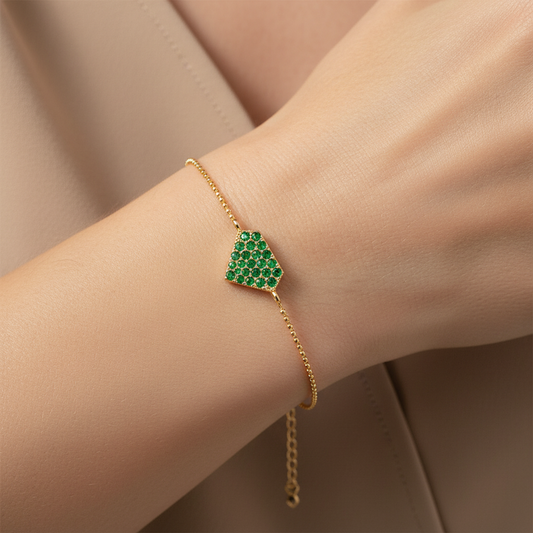
Emerald Pave Geometric Pentagon Bracelet
Regular price $405.95 USDRegular price Sale price $405.95 USDSale -
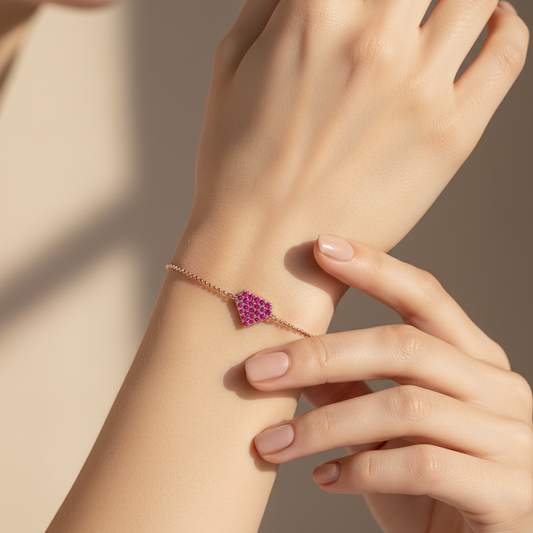
Pave Heart Bracelet with Red Crystals on Chain
Regular price $401.92 USDRegular price Sale price $401.92 USDSale -
Blue Sapphire Pave Pentagon Pendant Bracelet
Regular price $395.49 USDRegular price Sale price $395.49 USDSale -
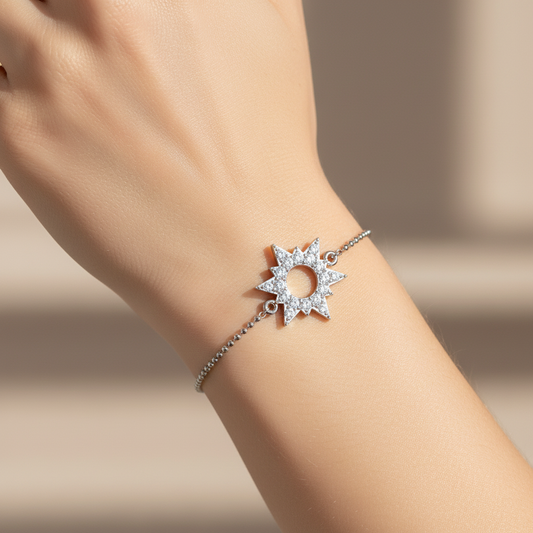
Starburst Halo Bracelet with Pave Crystals
Regular price From $388.15 USDRegular price Sale price From $388.15 USDSale -
Pave Ruby Hexagon Pendant Bracelet
Regular price $385.02 USDRegular price Sale price $385.02 USDSale -
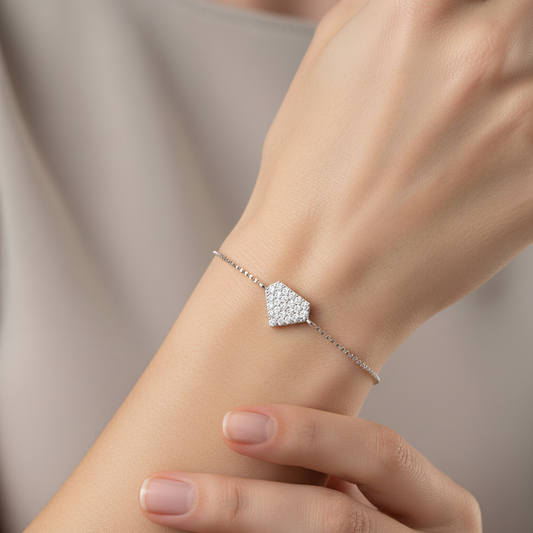
Pave Diamond Geometric Hexagon Bracelet
Regular price From $381.47 USDRegular price Sale price From $381.47 USDSale -
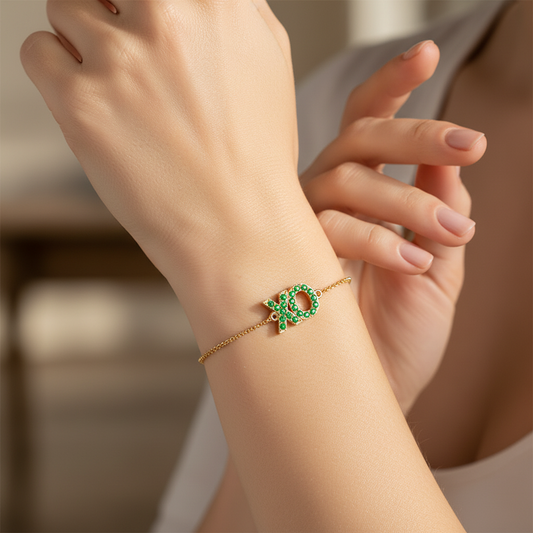
XO Hugs and Kisses Emerald Bracelet with Chain Link Design
Regular price $431.94 USDRegular price Sale price $431.94 USDSale -
Blue Sapphire XO Hugs and Kisses Bracelet
Regular price $421.48 USDRegular price Sale price $421.48 USDSale -
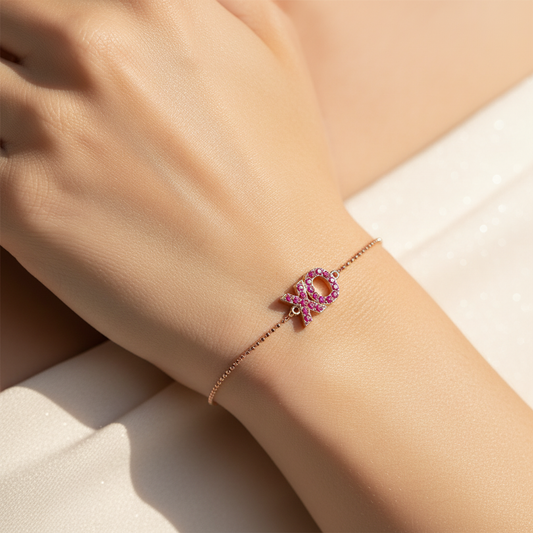
XO Pink Crystal Bracelet with Adjustable Chain
Regular price $411.01 USDRegular price Sale price $411.01 USDSale -
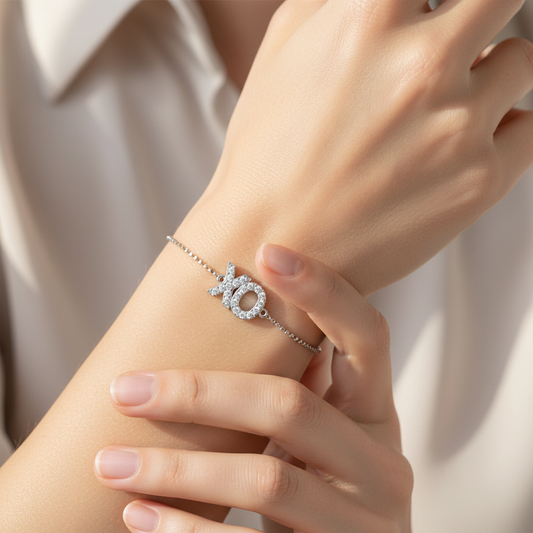
XO Hugs and Kisses Crystal Bracelet
Regular price From $400.55 USDRegular price Sale price From $400.55 USDSale -
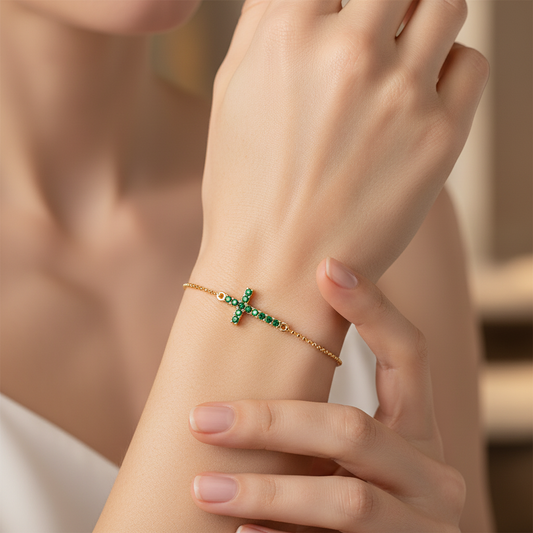
Green Crystal Cross Bracelet with Chain Link Design
Regular price $392.96 USDRegular price Sale price $392.96 USDSale -
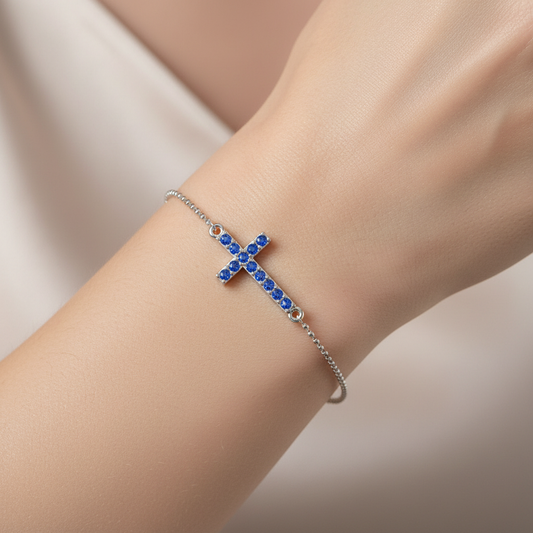
Blue Sapphire Cross Pendant Bracelet with Chain
Regular price $382.49 USDRegular price Sale price $382.49 USDSale -
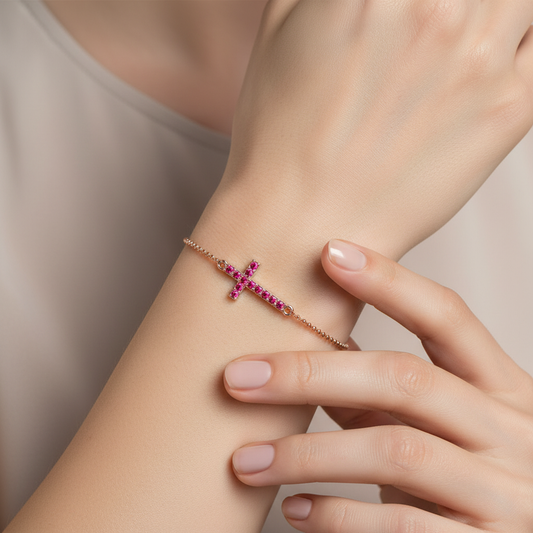
Sideways Cross Bracelet with Pink Crystal Stones Rose Tone Chain
Regular price $372.03 USDRegular price Sale price $372.03 USDSale -
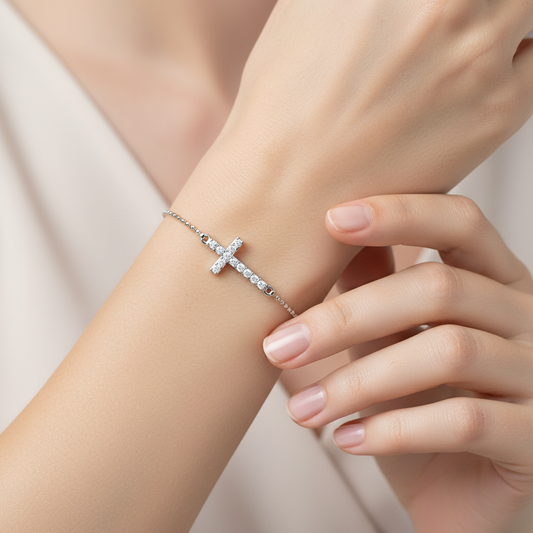
Sideways Cross Bracelet with Cubic Zirconia Stones
Regular price From $336.45 USDRegular price Sale price From $336.45 USDSale -
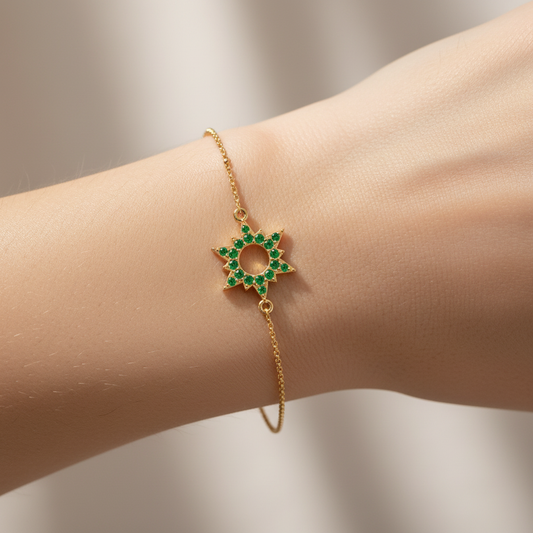
Green Gemstone Starburst Bracelet with Chain Link Design
Regular price $431.94 USDSale price $431.94 USDSale -
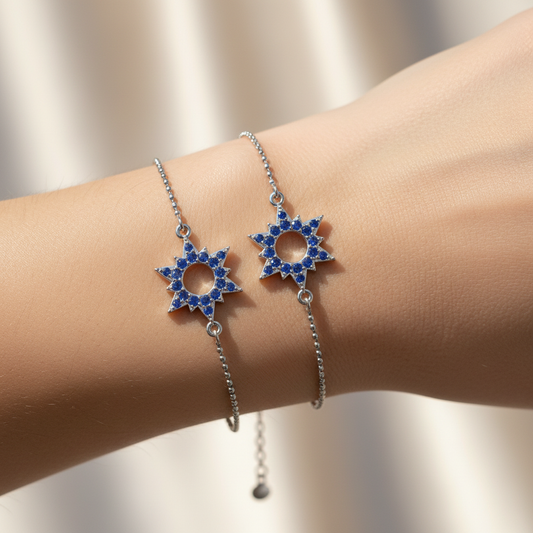
Blue Sapphire Starburst Bracelet with Open Center Design
Regular price $421.48 USDRegular price Sale price $421.48 USDSale -
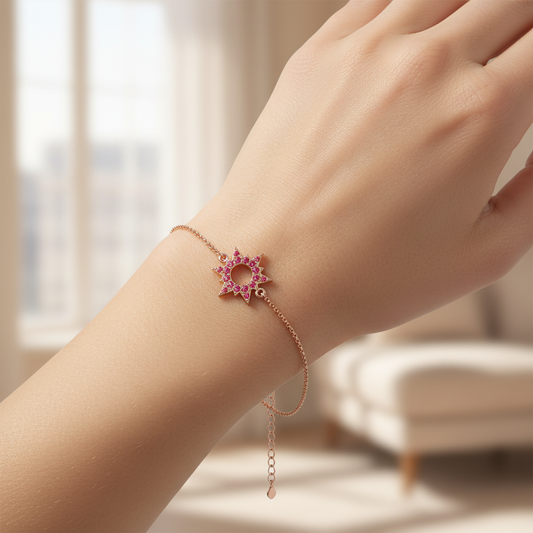
Pink Crystal Starburst Bracelet with Open Center Design
Regular price $411.01 USDRegular price Sale price $411.01 USDSale -
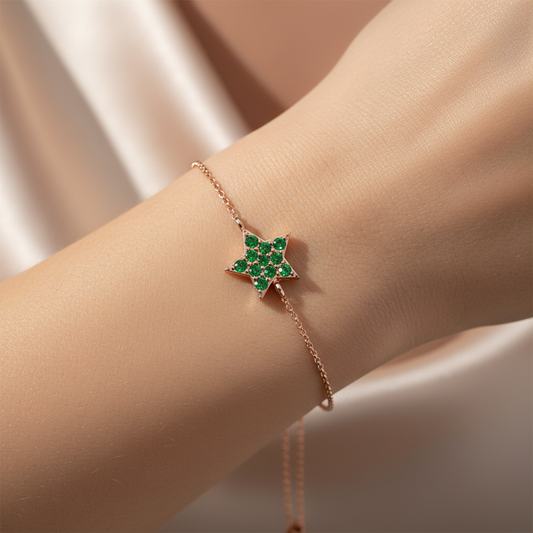
Emerald Star Pendant Bracelet with Double Chain Design
Regular price $418.95 USDRegular price Sale price $418.95 USDSale -
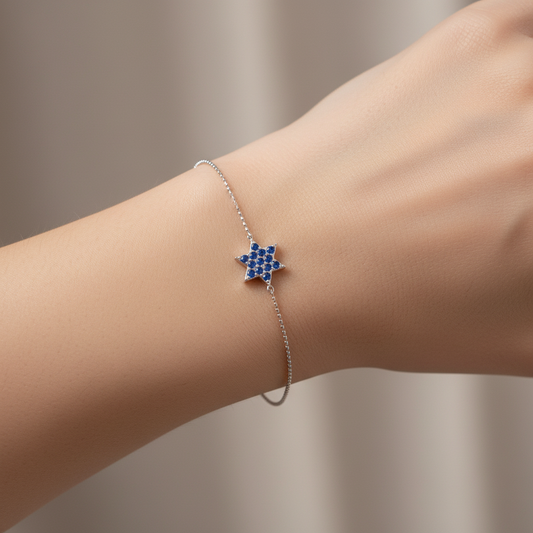
Blue Sapphire Star Pendant Bracelet with Chain Link Design
Regular price $408.48 USDRegular price Sale price $408.48 USDSale -
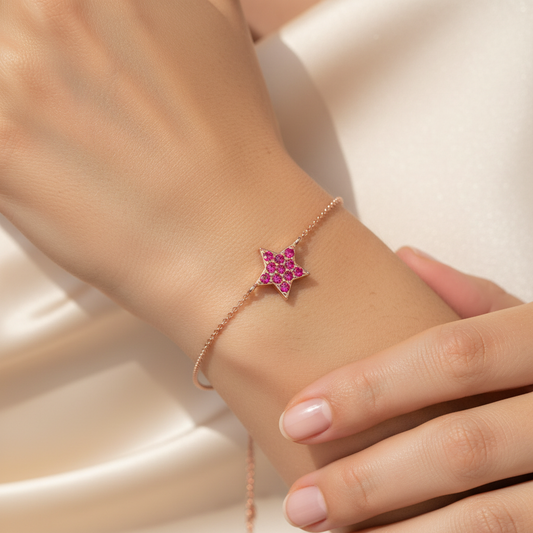
Ruby Star Pendant Bracelet with Double Chain Design
Regular price $324.77 USDSale price $324.77 USDSale -
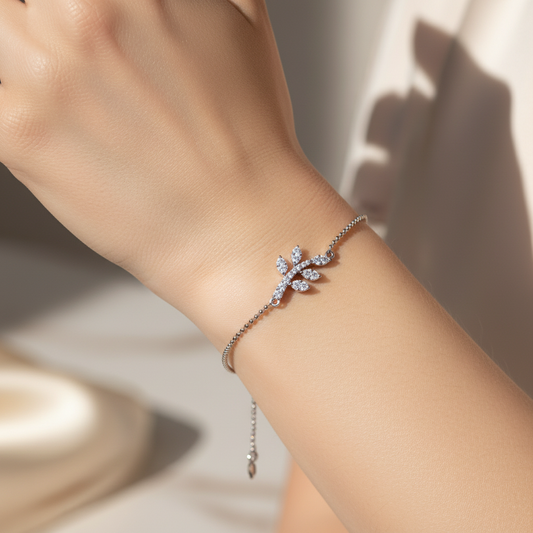
Delicate Leaf Branch Bracelet with Cubic Zirconia Stones
Regular price $324.77 USDSale price $324.77 USDSale -
Emerald Bar Bracelet with Diamond Halo Border
Regular price From $729.95 USDRegular price Sale price From $729.95 USDSale -
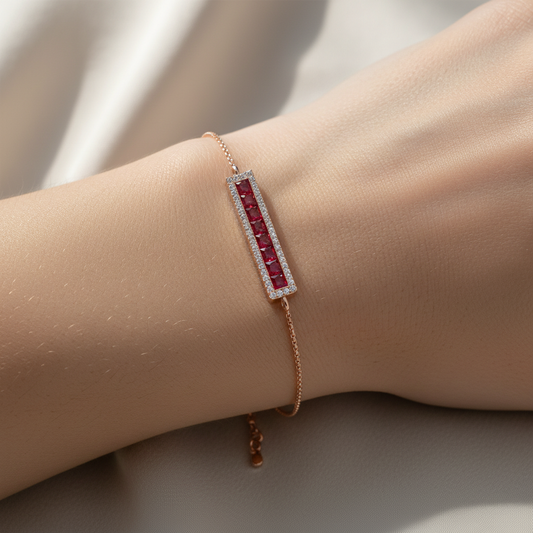
Princess Cut Ruby Bar Bracelet with Diamond Halo Chain Bracelet
Regular price From $729.95 USDRegular price Sale price From $729.95 USDSale -
Blue Sapphire and Diamond Bar Bracelet
Regular price From $729.95 USDRegular price Sale price From $729.95 USDSale -
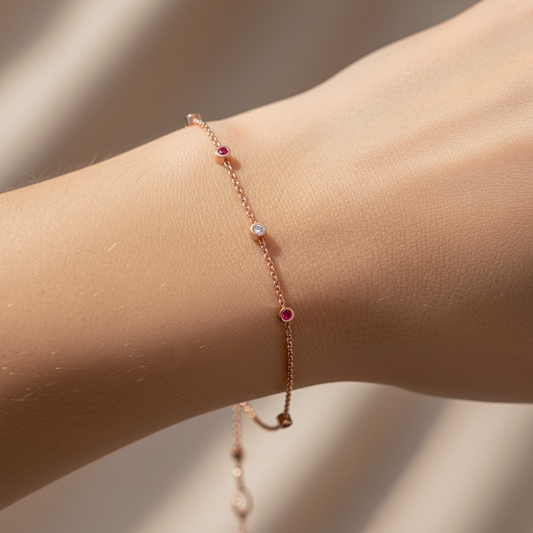
Delicate Chain Bracelet with Pink Gemstone Accents
Regular price $470.66 USDRegular price Sale price $470.66 USDSale -
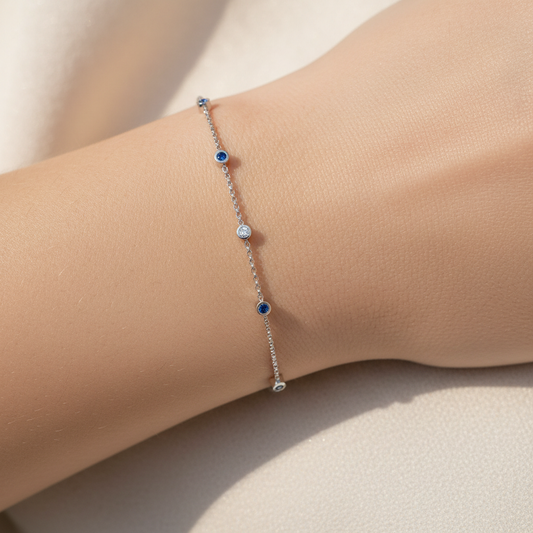
Delicate Chain Bracelet with Blue and Clear Crystal Charms
Regular price $457.66 USDRegular price Sale price $457.66 USDSale -
Emerald and Diamond Circle Bracelet with Delicate Chain
Regular price From $583.19 USDRegular price Sale price From $583.19 USDSale -
Ruby and Diamond Open Circle Bracelet
Regular price From $583.19 USDRegular price Sale price From $583.19 USDSale -
Blue and White Sapphire Circle Bracelet with Delicate Chain
Regular price From $583.19 USDRegular price Sale price From $583.19 USDSale




































A bracelet is worn more actively than any other piece of jewellery. It moves as you type, brushes against a sleeve, and stays in view for most of the day, which is why the way it is built matters more here than almost anywhere else. This collection is the full range of wrist jewellery we make, from fine gemstone chains and everyday gold bracelets to rigid bangles, engravable bars, and heavier link designs. Everything is made to order in solid 9K to 18K gold in yellow, white, and rose or in 925 sterling silver, and every diamond we set is graded independently before it leaves the workshop.
Diamond Bracelets for Women
A diamond bracelet does not have to mean a full line of stones. Some of the most wearable pieces here set a small number of diamonds against a fine chain, so the sparkle reads as a detail rather than a declaration. Halo borders, open circles, clover stations, and cluster settings all place diamonds in a way that survives a working day without catching on clothing. These are the designs that suit someone buying their first fine bracelet or adding one to a wrist that already carries a watch. They also layer more comfortably than a heavier piece, which matters if you intend to wear more than one at a time.
Gemstone Bracelets in Emerald, Sapphire and Ruby

Coloured stone designs are the largest part of this collection and the easiest place to start. An emerald and diamond bar bracelet sets a single band of green against a delicate chain, which reads as considered rather than decorative. Emerald pairs naturally with yellow gold and warm skin tones. Sapphire runs cooler and sits more comfortably against white gold and a monochrome wardrobe. Ruby and pink stone designs warm up against rose gold and are the most forgiving choice if you are buying for someone whose taste you do not know precisely. Motif shapes including hearts, crosses, stars, dragonflies, and starburst halos carry the same stones in a more expressive form.
Where a design uses cubic zirconia or crystal rather than a graded stone, we say so in the product description rather than describing it as diamond. The distinction matters, and it is the reason these pieces sit at a different level of the range. A blue sapphire and diamond bracelet is a different object from a crystal set piece of the same shape, and you should be able to tell which one you are buying before you order rather than after it arrives.
Gold Bangle Bracelets
A bangle is rigid, whereas a bracelet is flexible, and it is sized to pass over the hand rather than to fasten around the wrist. That gives a cleaner and bolder line, and it is why bangles are traditionally worn in twos and threes rather than alone. Because a bangle holds its position instead of sliding down the wrist, it stacks against a chain bracelet particularly well and stays where you put it through the day. Texture does most of the work on a piece carrying no stones, and an 18K gold bangle bracelet set with a diamond-cut finish catches light along the whole band, which is a quieter and more durable effect than a set line.

Engravable ID Bracelets

An identification bracelet sets a flat bar into a link chain, ready to carry a name, a date, a set of initials, or a short line of text. It is the most personal piece in this collection and the one most often bought for a milestone rather than for a season. The bar can be engraved on the reverse if you want the message private rather than displayed, and engraved pieces are made individually to the text supplied, so the spelling should be confirmed before the order is placed. An engravable ID bracelet in gold works equally well as a gift for a man or a woman, which is unusual in this range.
Diamond Tennis Bracelets
A tennis bracelet is a continuous line of matched diamonds held in a flexible track, so it drapes flush against the wrist rather than sitting rigid on top of it. It remains the most requested diamond piece there is and the one most people picture when they search for a diamond bracelet at all. We build ours to order in solid gold across round, emerald, pear, marquise, princess, and heart cuts in prong and bezel settings, so the carat weight, the length, and the gold colour are all yours to choose. The complete range, with guidance on carat weight and setting type, sits in our diamond tennis bracelet collection.
Gold Cuban Link and Chain Bracelets
Heavier link styles sit at the other end of the range. Curb, box, panther, and mesh links are structural rather than decorative, and they read as unisex, which is why they suit men and women equally. Widths and gram weights vary considerably across the designs, and that variation changes the character of the piece far more than the design name does, so it is worth comparing them side by side rather than choosing on appearance alone. Two bracelets sharing the same link name can feel entirely different on the wrist. A narrow curb sits under a shirt cuff without fuss, while a wide one is a single statement worn alone. The full range of gold Cuban link bracelets carries the width and weight detail for each design.
Sterling Silver Bracelets
Silver gives the same clean shapes a cooler finish at a gentler entry point, and it is the sensible choice for a piece that will take heavy daily wear or for adding volume to a stack without committing to gold on every wrist. It layers naturally alongside white gold, since the tones sit close enough to read as deliberate rather than mismatched. The same construction standards apply as on the gold range, including the clasp work and the way each stone is seated, which is where cheaper silver jewellery usually fails first and fastest. You can see everything we make in our 925 sterling silver bracelets collection.
How to Measure Your Wrist for a Bracelet
Sizing is what separates a bracelet worn constantly from one left in a drawer. For a flexible bracelet, wrap a soft tape or a strip of paper around the wrist just below the wrist bone, note the measurement, then add roughly half an inch to an inch for movement. You should be able to slip one finger between the bracelet and the skin. Around seven inches suits most women and eight inches most men, though measuring is always better than assuming. A bangle is measured differently because it has to pass over the hand rather than close around the wrist. Tuck the thumb towards the palm, measure around the widest part of the hand, and choose an inner circumference at least that size. When you are between sizes on any style, size up.
Bracelet Clasp Types
The clasp decides whether a bracelet stays on, and it is the part most buyers never think about until one fails. A lobster clasp is the everyday all-rounder, spring-loaded, easy to work one-handed, and secure under normal wear. A box clasp is a flat tab that clicks into a slot and sits flush with the links, which keeps the line unbroken and usually carries a safety catch as well, so it is the standard on finer pieces. An S hook fastens with a simple open hook and suits heavier link designs, where the weight of the bracelet itself helps hold it closed. None of the three is better in the abstract. The right clasp matches the weight and the style of the piece it closes.
Choosing Gold Colour and Karat
Gold colour and karat are separate decisions, and both of them are yours to make here rather than be fixed by whatever a supplier happens to hold.
Yellow Gold Bracelets
Yellow gold is the traditional choice and the warmest of the three. It works across the widest range of skin tones, adds richness against neutral clothing, and is the colour that reads most clearly as gold from a distance.
White Gold Bracelets
White gold is cooler and more contemporary. It pairs naturally with silver, platinum, and a monochrome wardrobe, and it is the setting that makes a colourless diamond look crispest against the metal around it.
Rose Gold Bracelets
Rose gold sits between the two and flatters most skin tones. It softens a diamond line rather than contrasting against it, and it pairs easily with blush, cream, and earth tones.
Karat Choice from 9K to 18K
Karat is the proportion of pure gold in the alloy, and it is a trade-off between colour and hardness rather than a straight quality ranking. 9K gold is the hardest and most resistant to knocks, which suits a bracelet worn every day. 18K carries the deepest colour and the highest gold content and is the traditional choice for a fine diamond piece. 14K sits in the middle and is the most common compromise. Most brands at this level sell a single karat, or plate a base metal and describe it as gold. Because we manufacture our own pieces, the full range from 9K to 18K is available on almost everything here.
Certified Diamonds and Independent Grading
Every diamond we set, natural or lab grown, is graded independently by IGI or GIA and arrives with its report and a unique stone identification number. Lab-grown diamonds are chemically and optically identical to mined stones and are graded on the same colour, clarity, cut, and carat scale, so the report reads exactly the same way, and the choice between them is one of budget and preference rather than quality. Designs set with coloured gemstones, cubic zirconia, or crystal are described by the stone they contain and are not sold as diamond pieces. Beyond the certificate, every bracelet passes our own inspection before dispatch, which checks that the clasp holds under load and that no stone moves in its setting.
How to Stack Bracelets
A single bracelet makes a statement, and a stack tells a longer story, but stacking works on contrast rather than repetition. Pair a fine gemstone chain with a heavier link or a slim bangle with a wider one, and either match the metals deliberately or mix them deliberately rather than by accident. Low-profile pieces layer most comfortably and stay out of the way through a working day, while a wide bangle is usually better worn as the single focus. If you wear a watch, count it as part of the stack rather than as something separate, since it sets the metal tone for everything beside it. Three pieces is the point at which most stacks start to look intentional.
Bracelets as a Gift
A bracelet gifts more reliably than almost any other piece because it carries weight without needing a ring size and forgives a small error in fit. If you are buying as a surprise and do not know the wrist; seven inches is the safe average for a woman, or you can borrow a bracelet she already wears and measure it end to end. A certified diamond piece reads as considered rather than obligatory, and an engraved bar makes the intent explicit in a way that few other pieces manage. If nothing here is exactly right, our create your own jewellery service builds a bracelet to a chosen metal, stone weight, and design.
Made in Our Own Workshop Since 1970
Jebij has been manufacturing fine jewellery for four generations and has run its own workshop since 1970. A bracelet takes more physical punishment than any other piece, opening and closing hundreds of times a year and knocking against desks and door handles, so the hinge, the clasp, and the finish all have to be made properly to survive it. Because we cut, set, and finish in house, we control the tolerances that decide whether a clasp still closes cleanly after five years rather than five months. Making to order also means a bracelet is built to your measurement from the start rather than altered afterwards, which is always the better outcome on a piece where changing the length means reworking the design. You can see how the pieces are made at our jewellery manufacturing facility.
Explore Other Collections
-

Solid Gold Miami Cuban Link Chain Necklaces
A Miami Cuban link chain is the most recognisable gold chain in...
-

Solid Gold Stud Earrings with Lab Grown Diamonds
Jebij stud earrings are made in solid gold in 9K, 10K, 14K...
-

Three Stone Diamond Engagement Rings
A three-stone ring sets one centre diamond between two matched side stones,...


